Where to Taste Traditional Caribbean Food in Denver
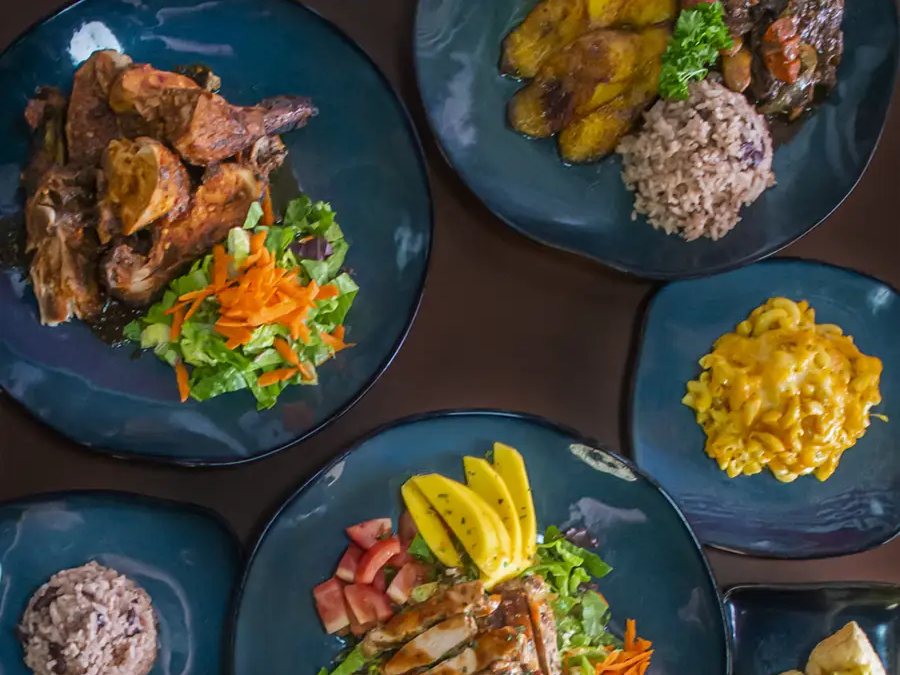
Denver is not the first American city most people associate with the Caribbean table. That usually works in your favor. In places where the scene is smaller, the best meals tend to come from cooks who are feeding a community first and curious diners second. You notice it in the seasoning, in the patience of a proper braise, and in the fact that nobody rushes a pot of beans, oxtail, curry goat, or ropa vieja just because lunch service is busy.
That is the right mindset to bring to Caribbean food in Denver. If you expect a strip of restaurants lined up the way they are in South Florida or parts of New York, you will be disappointed. If you are willing to look across neighborhoods, keep an eye on pop-ups, and judge a kitchen by its rice, stewed meats, and fried plantains rather than by décor, you can eat very well here.
The phrase caribbean food denver gets used as if it describes one cuisine. It does not. Caribbean cooking is a region, not a single menu. Jamaican food, Cuban food, Puerto Rican food, Dominican food, Trinidadian food, Haitian food, and the cooking of smaller islands all sit under the same broad umbrella, but they do not taste the same and they do not rely on the same pantry. Denver’s version of that landscape is similarly varied, if a bit scattered.
Start with the places that have staying power
If you want the most dependable on-ramp into traditional Caribbean flavors in Denver, Cuban cooking is often the easiest place to begin. Denver has long had more visibility for Cuban food than for some other island cuisines, and that matters because longevity usually means a kitchen has figured out both consistency and sourcing.
Cuba Cuba is the name most Denver diners know, and for good reason. It has been part of the city’s dining conversation for years, and while it is not the only expression of Caribbean food in Denver, it is a practical starting point. The dishes that tend to tell you the most at a Cuban restaurant are the least flashy ones: ropa vieja with properly cooked beef that pulls apart instead of shredding dry, black beans that taste simmered rather than spooned from a steam pan, roast pork with enough garlic and citrus to wake up the plate, and sweet plantains that arrive caramelized at the edges, not limp and oily.
A good Cuban kitchen also reveals itself in balance. The food should feel hearty, but never blunt. Acidity matters. So does the way rice and beans behave together. If a plate looks simple and still tastes layered, you are in the right room.
For many Denver diners, Cuban food becomes the gateway into the wider region. That is not a bad path. It trains your palate to notice the building blocks that recur across Caribbean cooking, sofrito, long-cooked legumes, starchy sides, bright marinades, fried plantains, and braised meats, while also showing how different one island’s approach can be from another’s.
Jamaican food often rewards the extra effort
The hardest truth about finding traditional Caribbean food in Denver is that some of the most satisfying Jamaican cooking is not always served in the most visible, polished, or centrally located dining rooms. Sometimes it comes from a food truck parked where you would not expect much. Sometimes it comes from a small storefront that keeps irregular hours. Sometimes it comes from a caterer who pops up on weekends and sells out of jerk chicken by midafternoon.
That is not a flaw in the scene. It is part of its texture.
When you find a Jamaican kitchen worth returning to, order with discipline. Jerk chicken should taste of allspice, thyme, chile heat, smoke, and salt, not just capsaicin. Curry goat should be rich and slightly earthy, with meat that yields easily but does not collapse into stringy mush. Oxtail should come glossy from the pot, with gravy you want over rice and peas. A patty should have a crust with some snap and a filling that tastes seasoned all the way through.
Rice and peas are often the giveaway. A kitchen can hide a dry piece of chicken under sauce. It cannot fake rice cooked with care. Good rice and peas carry coconut, aromatics, and enough depth to stand on their own. Cabbage, too, matters more than diners admit. In many Jamaican meals it acts as the cool, gentle counterweight to the heavier main. If it tastes freshly cooked and properly seasoned, someone in the kitchen is paying attention.
The trade-off in Denver is convenience. The best Jamaican food may require a longer drive or some patience with hours that shift. If you are serious about traditional food, that is a fair exchange.
Aurora and the outer neighborhoods deserve your attention
Plenty of visitors stay close to downtown and then decide Denver lacks range. It is a common mistake. Some of the city’s most interesting immigrant-run food businesses, including Caribbean-leaning ones, operate outside the center. Aurora in particular has become one of the metro area’s most useful places to hunt for regional cooking that serves communities, not trends.
That matters because traditional food survives where there is demand for it on ordinary weekdays. Not just on date nights. Not just at brunch. If you want the kind of meal that tastes like somebody’s aunt taught somebody’s nephew exactly how long to leave the pot on, you often find it in neighborhoods where customers are ordering the food because it reminds them of home.
This is also where Denver’s Caribbean scene broadens beyond the better-known Cuban and Jamaican options. Depending on the month and the market, you may run into Puerto Rican cooks offering pernil and arroz con gandules, Dominican plates with stewed chicken and tostones, Trinidadian doubles at a pop-up, or Haitian specials folded into a catering menu rather than a full-service restaurant operation. These are not always easy to track if you are relying only on search engines. Social media pages, community events, and word of mouth tend to be more current than directory listings.
Food trucks and pop-ups are not a backup plan
In Denver, food trucks and short-run pop-ups do a surprising amount of the heavy lifting for regional cuisines with smaller permanent footprints. That is especially true for Caribbean food. A lot of cooks use mobile operations because the economics are less punishing than a full restaurant, and because they can go where their audience already gathers.
That mobility benefits diners if you know how to use it. A truck can bring very good jerk chicken to a brewery patio, a Dominican cook can test a menu at a market, and a caterer can become the best source for a particular dish in the city without ever opening a traditional dining room. The downside is obvious. If you fall in love with something, it may not be in the same place next week.
The upside is freshness and focus. A truck with five or six items often executes better than a large menu trying to represent half the Caribbean at once. When space is tight, cooks usually lead with what they know best. That is where you want to spend your money.
If you are trying to track the strongest options, these are the most practical signals to watch:
- market calendars in Aurora, Five Points, and RiNo
- brewery and food hall guest-chef nights
- Caribbean cultural festivals and summer street events
- restaurant Instagram pages that post weekend specials
- local catering companies that announce public pop-ups
Those channels sound casual, but they often tell you more than review sites. A cook posting trays of escovitch fish for Saturday pickup is giving you a much clearer message than a stale online menu from two years ago.
What “traditional” should taste like
A lot of restaurants use the word traditional loosely. In practice, traditional Caribbean cooking usually shows itself less through presentation than through method. Sauces taste cooked, not assembled. Meats taste marinated or seasoned below the surface. Starches carry flavor of their own. Heat, when present, serves the dish rather than dominating it.
The details vary by island. Cuban food leans on citrus, garlic, black beans, slow braises, roast pork, and sandwiches built on excellent bread. Jamaican food brings jerk technique, patties, callaloo, rice and peas, curry, coco bread, and deep spice complexity. Puerto Rican cooking often centers sofrito, adobo, pernil, mofongo, pigeon peas, and fried plantains. Trinidadian food has its own wonderful logic, with doubles, roti, curry, and street foods that depend on texture as much as spice. Haitian food often layers epis, Scotch bonnet heat, fried pork, rice dishes, and bright pickled garnishes.
Denver does not present all of these traditions evenly. Some are far easier to find than others. Still, if you understand what each style values, you can make better choices when you are staring at a mixed menu that says “Caribbean” at the top.
Dishes worth ordering when you find them
When a Caribbean kitchen in Denver offers the following dishes, they are usually the ones that best reveal skill and seriousness:
- oxtail with rice and peas
- jerk chicken, especially if cooked over flame or smoke
- ropa vieja or lechon with black beans and rice
- curry goat, if the kitchen makes it regularly
- mofongo, doubles, or patties when offered as house specialties
These are the plates that expose shortcuts. Oxtail cannot be rushed. Curry goat shows whether a kitchen knows how to season and tenderize without overcooking. Mofongo tells you right away whether the cook understands texture. Even a humble patty can separate a thoughtful operation from a generic one.
Denver’s festivals can be a better classroom than a dining room
One of the smartest ways to explore Caribbean food in Denver is to stop thinking only in caribbean food denver reggaepotjamaicangrill.com terms of fixed restaurants. Summer events, neighborhood festivals, and community celebrations can provide a wider look at Caribbean cooking than any single brick-and-mortar spot.
Festivals do two things especially well. First, they gather cooks from different islands in one place, which lets you compare styles side by side. Second, they often encourage vendors to bring foods that make sense for a celebratory crowd, grilled meats, patties, fried snacks, sorrel, rum cake, stewed dishes over rice, rather than the softened menus some restaurants adopt for broader appeal.
If you go this route, arrive early. Popular vendors run out. That is not hype. It is portion math. A small operator may bring enough curry goat for a few dozen orders, not a full day of endless service. The people who know the food tend to queue early for a reason.
How to read a menu without getting burned
Menus labeled “Caribbean” can be wildly uneven. Some represent one island faithfully. Others splice together a few recognizable dishes from several islands and fill the rest with broadly tropical branding. There is nothing inherently wrong with a fusion approach, but if your goal is traditional food, you need a sharper filter.
The first thing I look for is specificity. Does the menu tell you whether the food is Jamaican, Cuban, Puerto Rican, Trinidadian, or a house blend? Specificity suggests intention. Vague menus often signal that the restaurant is using “Caribbean” as an atmosphere rather than a culinary commitment.
Next, look at the sides. Beans, rice, cabbage, fried plantains, yuca, and slaws are where corners get cut. If the sides are generic, the mains often are too. Then consider menu length. A small menu with five or eight dishes can be a good sign. A giant menu claiming mastery over half a dozen island cuisines at once usually means compromises somewhere.
Finally, pay attention to who is in the room. This is not a romantic test of authenticity, and it should not be overused, but it can be useful context. If a place known for Jamaican food has Jamaicans stopping in for lunch on a weekday, that tells you something. Same for a Cuban café filled with regulars ordering black beans and roast pork without ceremony.
The city’s geography shapes the meal
Denver’s spread-out layout affects how you eat Caribbean food here. In denser food cities, you can compare three restaurants on foot. In Denver, a worthwhile meal might involve crossing neighborhoods, planning around traffic, or building an afternoon around a single stop. That can feel inconvenient, but it also changes expectations in healthy ways. People tend to sit longer, order more thoughtfully, and treat the visit as a destination rather than an impulse purchase.
That matters for cuisines that depend on slow cooking. Caribbean food is not rushed food. It asks for marination, braising, frying at the right moment, and rice cooked with care. The city’s dining habits are often built around quick turnover and casual convenience. The best Caribbean kitchens in Denver quietly resist that pressure. They serve food that asks you to slow down enough to notice it.
Do not ignore the bakery case, the steam tray, or the weekend special
Not every excellent bite comes from the signature entrée. Some of the most telling Caribbean food in Denver lives at the edges of the menu. A bakery case might hide guava pastries or patties that are fresher than the plated desserts. A steam tray might hold braised chicken, beans, or cabbage that regulars order more often than the headline dish. A handwritten weekend special can tell you what the cook actually wanted to make.
This is one area where experienced diners get a real advantage. If a place seems proudest of a special, ask about it. If someone ahead of you orders something that is not promoted online, pay attention. Many traditional dishes do not get prime real estate on menus because they are labor-intensive, available only in small quantities, or familiar mainly to the community that already knows to ask.
Drinks and desserts complete the picture
A restaurant can serve decent meat and still flatten the meal by neglecting drinks and sweets. In Caribbean cooking, beverages and desserts often carry memory in ways main dishes do not. A good sorrel drink, ginger-forward and spiced, says as much about a kitchen’s point of view as a tray of jerk chicken. So does a proper flan, a slice of rum cake, bread pudding with the right texture, or a flaky pastry filled with guava or coconut.
This part of the experience is easy to overlook in Denver because many diners focus on the protein first. Fair enough, especially when oxtail prices keep climbing. Still, if you are trying to understand whether a place cooks from tradition or just from trend, order at least one drink or sweet that comes from the same cultural lane as the meal.
The real pleasure is in the differences
One reason people keep chasing Caribbean food in Denver is that the region refuses to flatten into one flavor profile. Even dishes that look similar on paper can eat very differently. One island uses more allspice, another leans harder on citrus, another builds depth with sofrito, another emphasizes curry, another turns a starch into the centerpiece rather than the side.
That variety is what makes the search rewarding. A Cuban plate of roast pork, black beans, and plantains scratches a different itch than Jamaican oxtail with rice and peas. Trinidadian doubles hit differently from Puerto Rican mofongo. A city does not need dozens of restaurants from each tradition to make those distinctions worth exploring. It needs a handful of committed cooks and diners curious enough to follow them.
Denver has that much, and sometimes a little more than visitors expect. The scene may not announce itself loudly, but it is there in long-simmered gravies, in rice with actual character, in the aroma of jerk smoke on a warm afternoon, and in cooks who know that traditional food wins trust one plate at a time.
If you want the best version of Caribbean food in Denver, start with the places that have earned regulars, be willing to drive beyond the obvious neighborhoods, and keep an eye on pop-ups and community events. Order the dishes that take time. Judge the sides. Ask what is selling out. The city may make you work a little harder for the meal, but when it lands, it tastes earned.
Reggae Pot Jamaican Grill
2243 S Monaco St Pkwy, Suite 104
Denver, CO 80222
(720) 410-2956
FAQ About caribbean food denver
What is a typical Caribbean meal?
Caribbean cuisines vary by island. A Jamaican meal might pair jerk chicken or oxtail with sides such as rice and peas, cabbage, or fried plantains.
What is Jamaica’s national dish?
Ackee and saltfish is widely recognized as Jamaica’s national dish. Check the current menu for availability.
Is Caribbean jerk the same as Jamaican jerk?
Jerk is a Jamaican cooking tradition associated with seasoning and slow cooking or grilling. The exact heat level and preparation vary by cook.