Top Caribbean Food Denver Stops for Authentic Island Cooking
Denver is not the first city most people associate with Caribbean cooking. The obvious heavyweights are places with larger island communities and easier access to coastal supply chains. Still, anyone who has spent time eating around the metro area knows something important: if you know what to look for, you can eat very well here.
The best caribbean food denver offers does not try to flatten the region into one flavor profile. That is usually the first sign a place is not serious. Caribbean cooking is not one cuisine in the singular. Jamaican jerk, Trinidadian doubles, Puerto Rican pernil, Cuban roast pork, Haitian griot, Dominican stewed chicken, and Guyanese curries all come from different histories, ingredients, and techniques. They share movement, migration, spice routes, and a love of big flavor, but they should not taste interchangeable.
That matters when you are deciding where to go. A strong Denver spot may specialize narrowly and still be exactly the right choice. One kitchen might deliver deep, peppery brown stew chicken with proper gravy. Another might be worth the drive for oxtail alone. A third may lean Cuban and excel at garlicky roast pork, black beans, and sweet plantains. If you walk in expecting every island dish under one roof, you will miss how these places actually succeed.
What makes a Caribbean restaurant feel authentic in Denver
Authenticity gets overused, and often badly. It is not about décor, tropical colors, or whether Bob Marley is playing in the dining room. It starts in the food. You can usually tell within a few bites whether a kitchen understands the foundation of the dishes it serves.
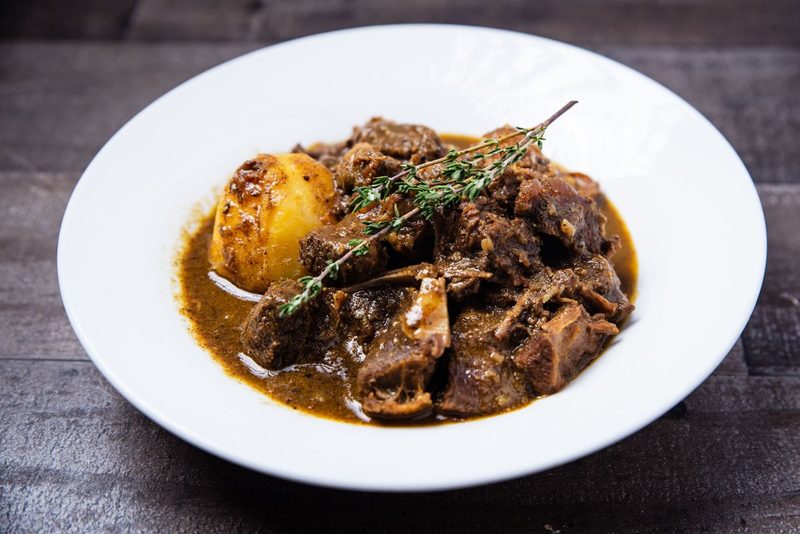
Rice and peas should not be an afterthought. They need to carry the scent of coconut, thyme, and allspice if the style calls for it, with separate grains rather than a steamed clump. Jerk chicken should not just be grilled chicken with a sweet glaze. Good jerk tastes layered: scallion, thyme, Scotch bonnet heat, pimento, smoke, and salt. Curry goat should have structure in the gravy and tenderness in the meat, not a generic yellow sauce poured over cubes that never softened. Plantains need timing. At their best, they are caramelized at the edges and soft in the center, not pale and starchy or burnt into bitterness.
The practical challenge in Denver is consistency. Smaller Caribbean operations here often work with tighter staffs, more limited prep space, and ingredient sourcing that can shift from week to week. A dish that shines on Saturday at 1 p.m. May be less impressive late on a Tuesday. That is not unique to Caribbean food, but it is especially noticeable in cuisines built on marinating, braising, stewing, and frying to order. If you want the strongest first impression, lunch service and early dinner tend to be safer windows.
The Denver stops worth seeking out, and what to order when you get there
When locals talk seriously about Caribbean cooking in Denver, the conversation usually centers less on broad restaurant empires and more on a handful of independent kitchens, market counters, and neighborhood fixtures. The scene is not huge, which makes judgment even more important. You are not choosing from fifty options. You are choosing from a smaller pool where one or two dishes can justify the trip.
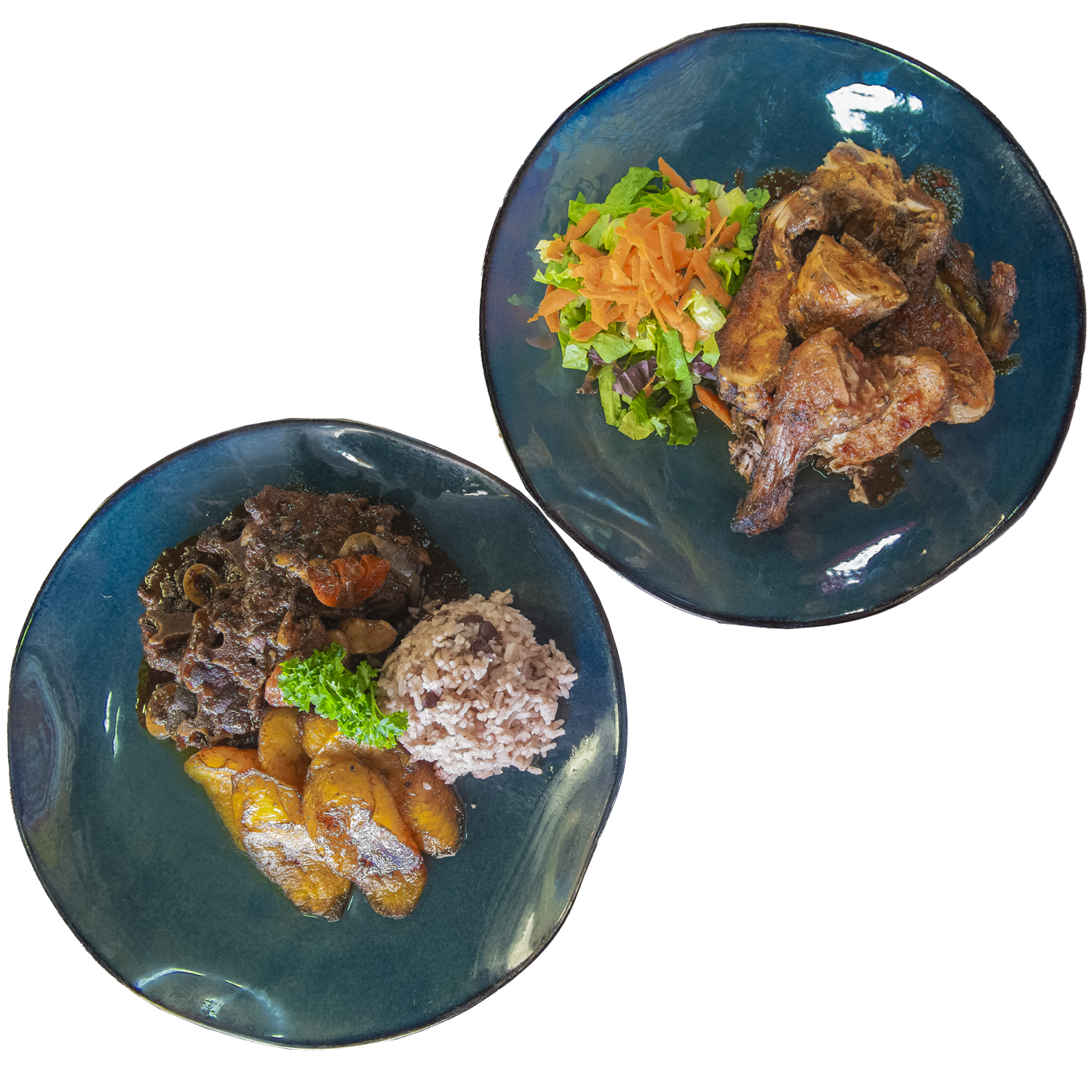
A Jamaican-focused kitchen is often the most direct route into authentic island cooking here. In those places, start with jerk chicken or oxtail if available. Jerk tells you a lot about the house. If the spice blend tastes vivid rather than sugary, and the meat carries some char without drying out, the kitchen probably has its priorities in order. Oxtail is a different test. It is labor-intensive, expensive, and unforgiving. Good versions arrive glossy, rich, and slow-cooked until the collagen turns into body in the sauce. Bad ones taste either thin or greasy, with meat that still fights the bone.
Brown stew chicken is the sleeper order many people skip, which is a mistake. In a serious Caribbean kitchen, it can be one of the smartest things on the menu. It is less flashy than jerk, but it shows command. The gravy should be dark, savory, and deeply seasoned, with sweetness from browned onions and peppers rather than added sugar. If the restaurant gets brown stew right, chances are good the rest of the menu is in capable hands.
Curry goat is another dish Denver diners should not overlook, especially during colder months. There is something satisfying about eating a slow-braised, spice-heavy curry when it is thirty degrees outside and dry enough that your skin feels two sizes too small. The contrast works. A proper curry goat does not need to overwhelm with heat. It needs warmth, depth, and patience. If the meat is tender and the sauce tastes like it was built over time rather than rushed with curry powder alone, you are in the right place.
Cuban restaurants occupy a slightly different lane in the city’s Caribbean map, but they belong in the conversation. A good Cuban meal in Denver should lean on roast pork, mojo, black beans, rice, croquettes, yuca, and pressed sandwiches that actually balance fat, salt, acid, and crunch. Cuban food often gets reduced to the sandwich alone. That misses the point. One of the most satisfying plates you can order in a Cuban kitchen is a pork dish with rice, beans, and sweet plantains, because it gives you the full rhythm of the table: savory, starchy, garlicky, and sweet.
Puerto Rican and Dominican options can be harder to find consistently in Denver, but when they appear, they are worth chasing. Pernil, arroz con gandules, mofongo, and stewed meats all travel well to this climate and suit the city’s appetite for hearty comfort food. The trick is to pay attention to specials boards, pop-ups, and community events. Some of the best island cooking in Denver does not always live in a permanent high-visibility storefront. It appears at markets, cultural festivals, food halls, church events, and short-run residencies. That can be frustrating if you want predictability, but it also means the scene is more alive than a simple restaurant directory would suggest.
Why the sides matter as much as the main
People who are new to Caribbean food often order like this: one famous entrée, maybe a side of plantains, and done. That approach leaves a lot on the table. In many kitchens, the sides tell you whether the cooking is instinctive or merely imitative.
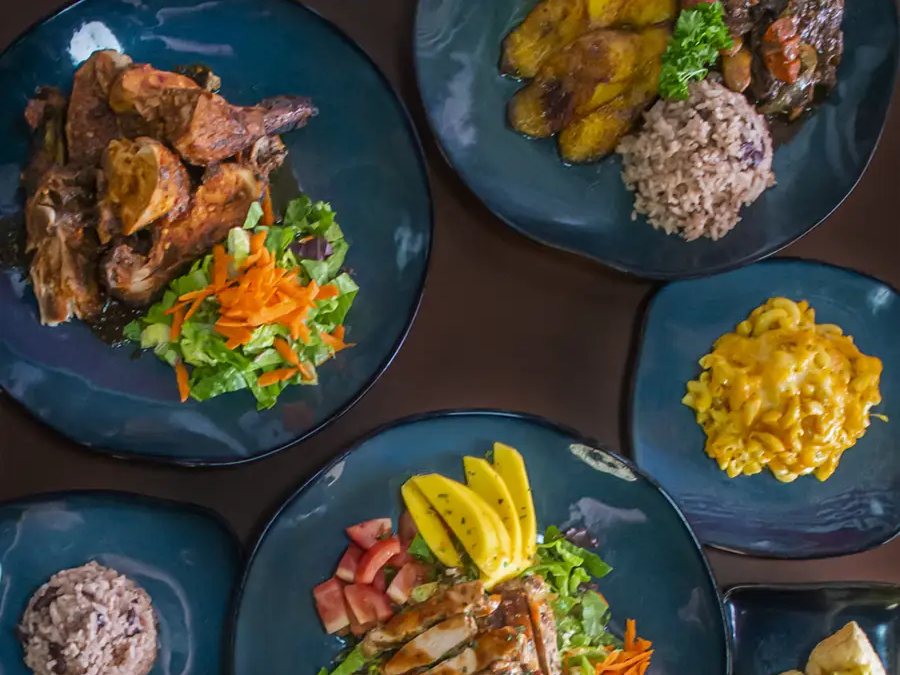
Rice and peas should be fragrant on their own. Cabbage should still have some bite and brightness, not be cooked to exhaustion. Macaroni pie, where offered, should feel substantial and baked, not like cafeteria macaroni spooned into a pan. Fried plantains should bridge sweet and savory instead of landing as dessert by accident. Even coleslaw has a role. When it is fresh and lightly dressed, it cuts richness and gives your palate a reset between bites of fried fish or jerk pork.
This is one caribbean food denver reggaepotjamaicangrill.com reason combination plates are often the best value for anyone exploring caribbean food denver restaurants for the first time. You get a read on the kitchen’s seasoning, textures, and sense of balance. A place can produce a decent protein and still fail caribbean food denver to support it with the right rice, vegetables, or sauces. When everything on the plate makes sense together, you remember it.
Heat, smoke, and sweetness, getting past the clichés
Too many people approach Caribbean cooking with a cartoon version in mind. They expect either scorching heat or beach-bar sweetness. Real island cooking is more disciplined than that.
Jerk, for example, should be hot enough to wake you up, but the best versions are never heat for heat’s sake. There is herbal sharpness from thyme and scallion, aromatic warmth from allspice, and smoke that settles into the meat. A good jerk plate in Denver should make you reach for another bite before you reach for your drink.
Sweetness also needs context. Plantains, rum cake, and certain glazes all have their place, but the strongest Caribbean meals are balanced by acid, pepper, herbs, bitterness, and salt. That balance is what makes the food satisfying rather than novelty-driven. If a restaurant leans too hard on sugary sauces to sell “island flavor,” it usually signals a menu built for assumptions rather than tradition.
Denver diners tend to respond well to bold flavor, but there is still a tendency in some kitchens to tone dishes down for the broadest possible audience. It is understandable from a business standpoint. It can also flatten the experience. If you like heat, ask whether the house sauce or pepper sauce is available. Often the best flavors are sitting just off menu, in squeeze bottles or small cups behind the counter, because regulars already know to ask.
The challenge of sourcing island ingredients in a mountain city
One reason the Denver Caribbean scene remains smaller than it should be comes down to logistics. Scotch bonnets, fresh thyme, cassava, breadfruit, sorrel, callaloo, proper cuts for oxtail, and certain spice blends are not impossible to source here, but they are not as frictionless as they are in larger coastal markets. Restaurants adapt. Good ones adapt without compromising the soul of the dish.
That adjustment can show up in subtle ways. A kitchen may feature a rotating menu based on what arrived fresh that week. Another might lean more heavily into braises and stews because they can control consistency better. A Cuban restaurant may build a broader audience with sandwiches during lunch and reserve more traditional plates for dinner or weekends. None of that makes the food less authentic. It simply reflects the reality of cooking regionally specific food in a city where the customer base, supplier network, and labor model all have to line up.
This is also why the most worthwhile Caribbean restaurants in Denver often develop loyal followings instead of broad mainstream buzz. Their customers learn the rhythm of the place. They know when the patties come out freshest, which day the soup is available, and when a special is worth changing plans for. That sort of loyalty usually forms around food that earns trust over time.
How to order well on your first visit
If you are trying a new Caribbean restaurant in Denver, a little strategy helps. Skip the instinct to order the safest item. This cuisine rewards curiosity, and some of the best plates are the ones that require more time and attention from the kitchen.
If oxtail is on the menu and priced accordingly, consider it. Expensive, yes, but often worth it. If the restaurant is known for jerk, do not undermine the test by ordering it boneless or heavily modified. Let the kitchen show you its work. If there is a stew special, ask what is selling fastest that day. Staff members usually know which dish is at its peak, especially in independent spots where the menu is deeply connected to prep volume.
For anyone eating with a group, sharing is the most efficient path. One braised dish, one grilled or jerked protein, one fried item, and a couple of sides will tell you much more than four versions of the same thing. The best meals happen when a table gets messy in the right way, with sauces crossing into rice and everyone stealing plantains off everyone else’s plate.
Where Denver’s Caribbean food scene shines brightest
The strongest Caribbean eating in Denver tends to show up in a few forms. First, neighborhood restaurants that serve a local regular base rather than chasing downtown trend traffic. Second, dual-concept or family-run places where a broad menu exists, but a small group of dishes clearly forms the backbone. Third, temporary formats such as pop-ups, catering operations, and festival vendors.
That third category deserves more respect than it usually gets. Some of the best Caribbean food in the city appears outside standard restaurant hours and outside standard restaurant settings. A cook with deep roots in Trinidad or Jamaica may not want the overhead of a permanent dining room, but that does not mean the food is any less serious. In fact, pop-up cooks often have the freedom to narrow their menu and cook the dishes they know best. The result can be tighter, more expressive food than what you find in a permanent restaurant trying to please every possible customer.
The trade-off is obvious. You lose convenience. Tracking these events takes some effort, and consistency across months can be hard if the business model shifts. Still, anyone genuinely interested in caribbean food denver dining should keep an eye on community calendars, local food event listings, and social media pages for small operators. That is where a lot of the city’s real culinary life happens.
What separates a good stop from a memorable one
A good Caribbean restaurant will give you a satisfying plate. A memorable one changes how you think about the city’s food map. It makes you realize Denver can deliver more range than outsiders assume.
The most memorable stops tend to have a few things in common. The seasoning is assertive without feeling careless. The menu has focus. The sides pull their weight. The service usually includes at least one moment where someone behind the counter nudges you toward the better order. That last detail matters more than people think. In many of the best independent restaurants anywhere, hospitality is not scripted. It is practical. Someone asks whether you have had curry goat before, tells you the patties just came out, or warns you that the pepper sauce is no joke. Those small interactions are part of the experience.
Memorable places also understand pacing. Caribbean food often benefits from time, marination, resting, stewing, braising. You can taste when a kitchen respects those processes. You can also taste when it is trying to shortcut them. The meat will seem flatter, the sauces thinner, the plate less integrated. The difference is not subtle once you know it.
Pairing expectations with reality
One useful mindset shift helps when eating Caribbean food in Denver: judge each restaurant for what it is trying to be, not what you wish it were. A lunch counter turning out excellent jerk chicken and cabbage does not need to also make transcendent fish escovitch. A Cuban café with excellent roast pork and beans does not fail because it lacks Trinidadian snacks. A pop-up with four dishes and a line out the door may be giving you a truer regional experience than a larger menu built around compromise.
That flexibility makes the city more rewarding to eat through. Instead of searching for one perfect all-purpose Caribbean restaurant, think in terms of best uses. One stop for braised meats. One for lunch sandwiches and black beans. One for patties or fried snacks. One for occasional weekend specials. That is often how good local dining actually works, especially in a city where many immigrant cuisines are still building visibility.
A final practical note on timing and value
Caribbean food can look expensive at first glance, especially dishes like oxtail, goat, or seafood. Some of that sticker shock comes from ingredient costs. Some comes from labor. These are not low-effort foods. They rely on long prep, careful seasoning, and cooking methods that cannot be rushed if the restaurant wants proper results. When a plate is done well, the value is usually there, even if it costs more than a standard fast-casual meal.
Timing matters too. The best experience often comes when the kitchen is still fully stocked and the staff is not stretched thin. Early lunch and early dinner give you the best odds. Weekend specials can be excellent, but they can also sell out fast. If there is a dish you truly want, go early and ask directly whether it is still in strong shape. Serious restaurants will answer honestly.
Denver may never rival South Florida, Brooklyn, or Toronto for Caribbean depth. That is fine. It does not need to. What it offers, at its best, is something more specific: a compact but rewarding set of restaurants and pop-ups where island cooking shows real character, real technique, and real heart. Find the kitchens that care about their rice as much as their meat, their gravy as much as their garnish, and their traditions as much as their customer flow. Those are the stops that make the search worth it.
Reggae Pot Jamaican Grill
2243 S Monaco St Pkwy, Suite 104
Denver, CO 80222
(720) 410-2956
FAQ About caribbean food denver
What is a typical Caribbean meal?
Caribbean cuisines vary by island. A Jamaican meal might pair jerk chicken or oxtail with sides such as rice and peas, cabbage, or fried plantains.
What is Jamaica’s national dish?
Ackee and saltfish is widely recognized as Jamaica’s national dish. Check the current menu for availability.
Is Caribbean jerk the same as Jamaican jerk?
Jerk is a Jamaican cooking tradition associated with seasoning and slow cooking or grilling. The exact heat level and preparation vary by cook.